The Journal · 10 July 2026 · 5 min read
Why classic cars from Africa rust less
Ask any restorer what kills a classic car and they won't say engines, gearboxes or electrics — all of those can be rebuilt on a bench. They'll say rust. Once corrosion gets into a monocoque shell's seams, sills and suspension mounts, you're not restoring a car any more; you're fabricating one.
The chemistry is simple
Steel needs two things to corrode: moisture and an electrolyte. Britain and Northern Europe supply both in industrial quantities — rain for most of the year, and salt spread across every winter road, which turns each puddle into a highly conductive corrosion bath. A sixties saloon that commuted through twenty British winters has effectively been electroplated in reverse.
Now look at the southern half of Africa. Large parts of South Africa's interior, Namibia and northern Ghana see a fraction of that rainfall, low year-round humidity, and — crucially — no road salt at all, because the roads never ice.
Patina is not rot
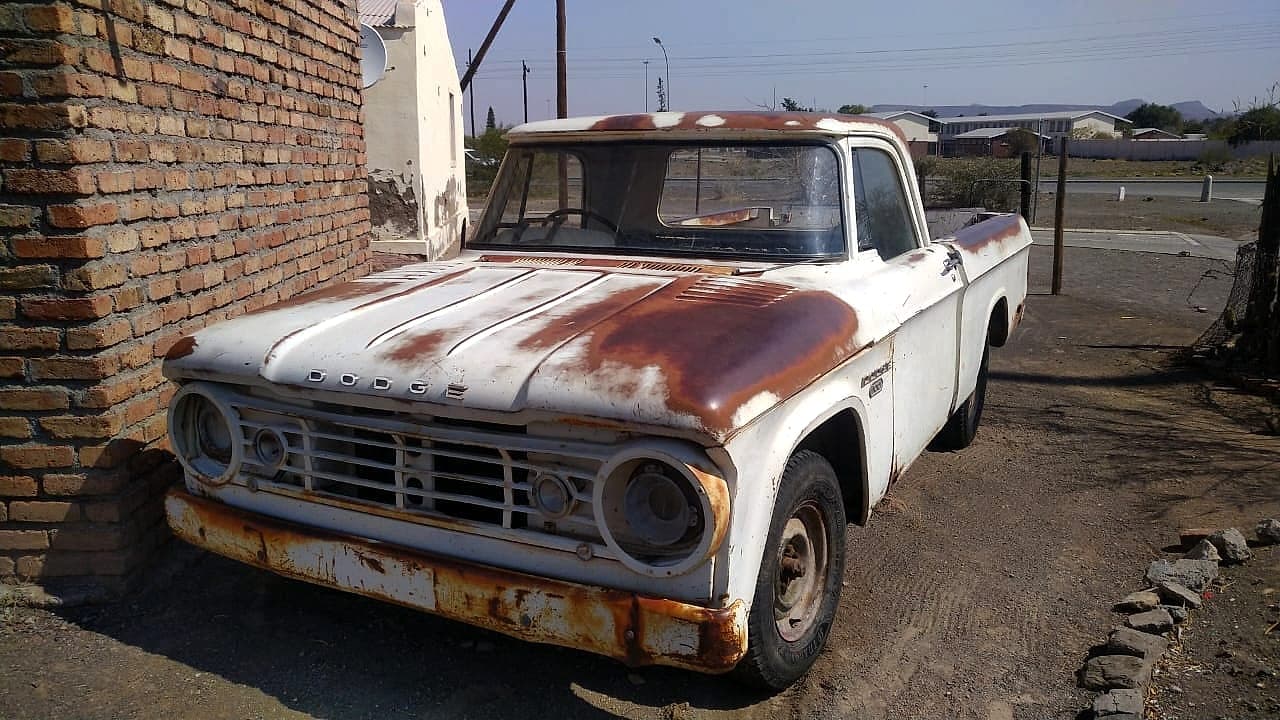
The cars that come out of these regions often look rougher than their European cousins: baked paint, crazed lacquer, surface oxide on the panels. That's cosmetic. Under it sits metal that has never held moisture in its seams.
A faded car with a dry shell is a restoration. A shiny car with wet sills is a fabrication project wearing a disguise.
That's the entire logic of our Africa sourcing line:
- Original panels, not patch repairs over patch repairs
- Factory seams that have never been opened
- Honest floors, sills and chassis legs — the expensive metal
- Restoration budgets that go into finish, not fabrication
What we actually find
Our recent collection days across South Africa and Ghana have turned up Ford Escorts and Cortinas, Volkswagen Beetles, Mini Mokes, and American pickups — complete, unwelded and waiting. Some become our restoration projects; the best go straight to clients as running classics.
Want a rust-free start for your next project?
Request a Car